Ring In the New: What Couples Are Actually Booking for 2026 Weddings
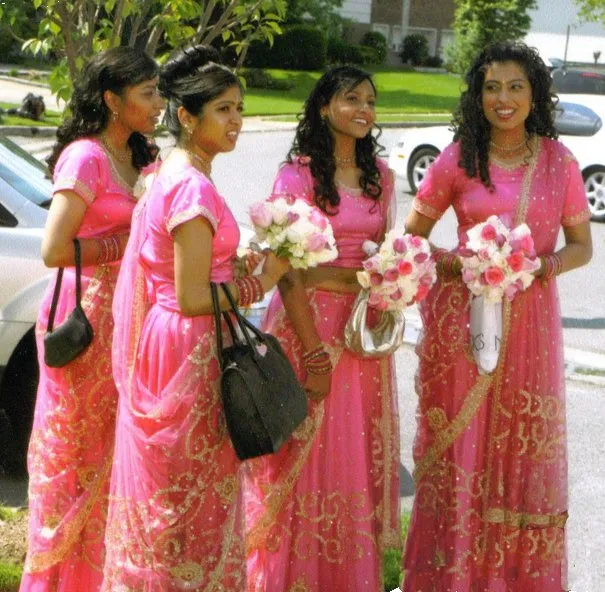
Photo: Sibil from Forest Hills, NY, USA, CC BY 2.0, via Wikimedia Commons
Every season has a mood, and 2026's is surprisingly easy to read: people want rooms that feel full, food that keeps people talking, and photos that look like their actual lives. We made a lot of calls this year—planners, venue managers, couples three weeks out from the big day—and a pattern kept surfacing. Here's what's getting booked, and what's getting sent to voicemail.
1. Smaller rooms, bigger feelings
The two-hundred-guest ballroom still exists. It's just not the default anymore. Couples are landing in the sixty-to-ninety range and choosing spaces that feel generous at that size—converted warehouses, restaurants with a courtyard, museum atriums, and family backyards with a tent that costs more than some venues. The math is blunt: fewer seats means better wine, real chairs, and a band instead of a laptop.
2. Tables that do the entertaining
Statement tablescapes are the one place couples happily overspend. Color-blocked linens, low arrangements instead of towering centerpieces, mismatched taper candles, and produce—yes, pears—standing in for some of the florals. Guests take more photos of the table than of the cake. One practical note: confirm your venue's open-flame policy before you buy sixty candles.
3. A content creator on the vendor list
Not instead of a photographer. Alongside one. Couples are hiring a vertical-video person to catch the in-between stuff—the dance floor, the toast reactions, the flower girl sprinting the aisle. Typical fee runs a few hundred to a couple thousand dollars, so get deliverables, turnaround time, and clip ownership in writing.
4. The second outfit graduated from the bride
Reception wardrobe changes used to be a bride-only secret. In 2026, everyone's changing. A mini, a jumpsuit, sequins, sneakers, a vintage piece from a parent's closet. Budget-wise, this is often cheaper than adding a second hour of open bar, and it completely changes the energy after dinner.
5. Daytime and Sunday weddings
Late-morning ceremonies with a brunch reception. Sunday evenings. Lunch parties that end at six. Lower food and beverage minimums, easier vendor availability, and guests who genuinely appreciate being home at a reasonable hour. If your guest list leans local, this is the single fastest way to cut a budget without cutting the guest list.
6. All-weather venues, with the rain plan in writing
Tented courtyards, covered porches, venues with a second indoor room. Couples are asking a question that used to be an afterthought: what exactly happens if it pours, and is that space included in the price or extra? Get the answer in the contract, not in a text.
7. Food as the entertainment
Plated dinners are still lovely. But couples are opting for live pasta stations, taco carts, sushi hand rolls made to order, and espresso bars at 9:30 p.m. when the crowd starts to fade. The rule of thumb: one interactive food moment beats three fancy passed apps nobody remembers.
8. Sound-first reception design
A strong DJ plus one live element—a sax over the cocktail hour, a string trio for the processional, a drummer who joins the last forty minutes. Audio guestbooks are still showing up, and guests still love them once they stop being nervous about talking into a phone.
9. Warm, specific nostalgia
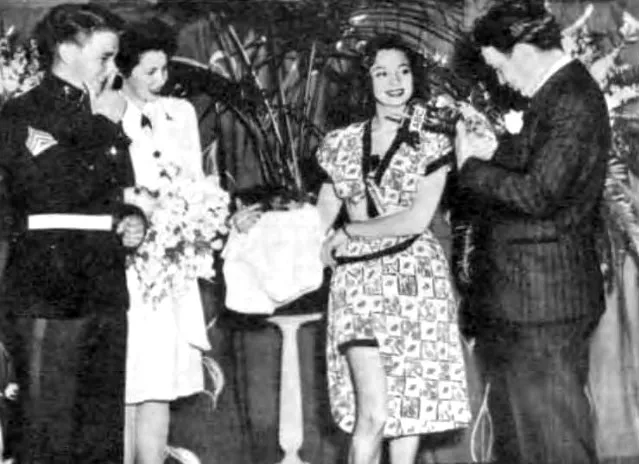
Disco, 1970s gold, film cameras on every table, family wedding photos from the sixties and seventies. The difference from the old "vintage theme" era: it's personal now, not a costume. Couples are pulling from their own family albums instead of a mood board.
10. Registries that sound like a real life
Honeymoon funds, down-payment contributions, cooking classes, houseplants, a new set of towels that aren't eight years old. Couples are naming these plainly instead of burying them under fine china, and guests are relieved.
Five things getting sent straight to voicemail
Choreographed viral moments. The surprise dance everyone practiced in secret. Guests can tell when a moment was designed for a phone rather than for the room.
Balloon installs and neon signs. Both had a great run. Both are dating fast.
Three-hundred-person lists with plus-ones for near-strangers. Every added guest is a meal, a chair, a favor, and a slice of attention.
Welcome bags stuffed with branded stuff. People pack light now. A good snack and a water bottle still win.
Multi-day itineraries with mandatory events. A welcome party is generous. Four scheduled gatherings over three days is a conference with a cake.
How to borrow from this list without wrecking your budget
Pick two. Maybe three if one of them is free. Spend on the things guests physically experience—venue, food, sound, seating—and save on the things that only live in photos for a week. Then call your venue and ask the boring questions: rain plan, load-in time, cake cutting fee, noise curfew, vendor meal costs. Boring questions are how you keep the good ideas funded.
The takeaway
2026 isn't a minimalist year or a maximalist year. It's a year of choosing deliberately—smaller rooms, louder tables, better sound, fewer obligatory events. Ring Ring Weddings' advice, as always: answer the things that matter and let the rest ring out.